Bring Back the Hotbed: Why Modern Propagators Have Gone Soft
Walk into any modern British greenhouse this spring and you will likely find a sad array of plastic trays plugged into the mains. It is a lazy, sterile approach to propagation that produces weak-willed seedlings. Our Victorian predecessors knew better, utilizing the ferocious, natural heat of decomposing horse manure to force early crops.
The Lost Art of Fermentation
A properly constructed hotbed is a marvel of traditional thermal engineering. By tightly packing fresh stable manure and straw, microbial activity easily drives temperatures up to a steady 55°C within days. Once this initial surge cools to a manageable 25°C, a topping of rich loam creates the ultimate, bottom-heated nursery.
Fierce Flavours for Prime Cuts
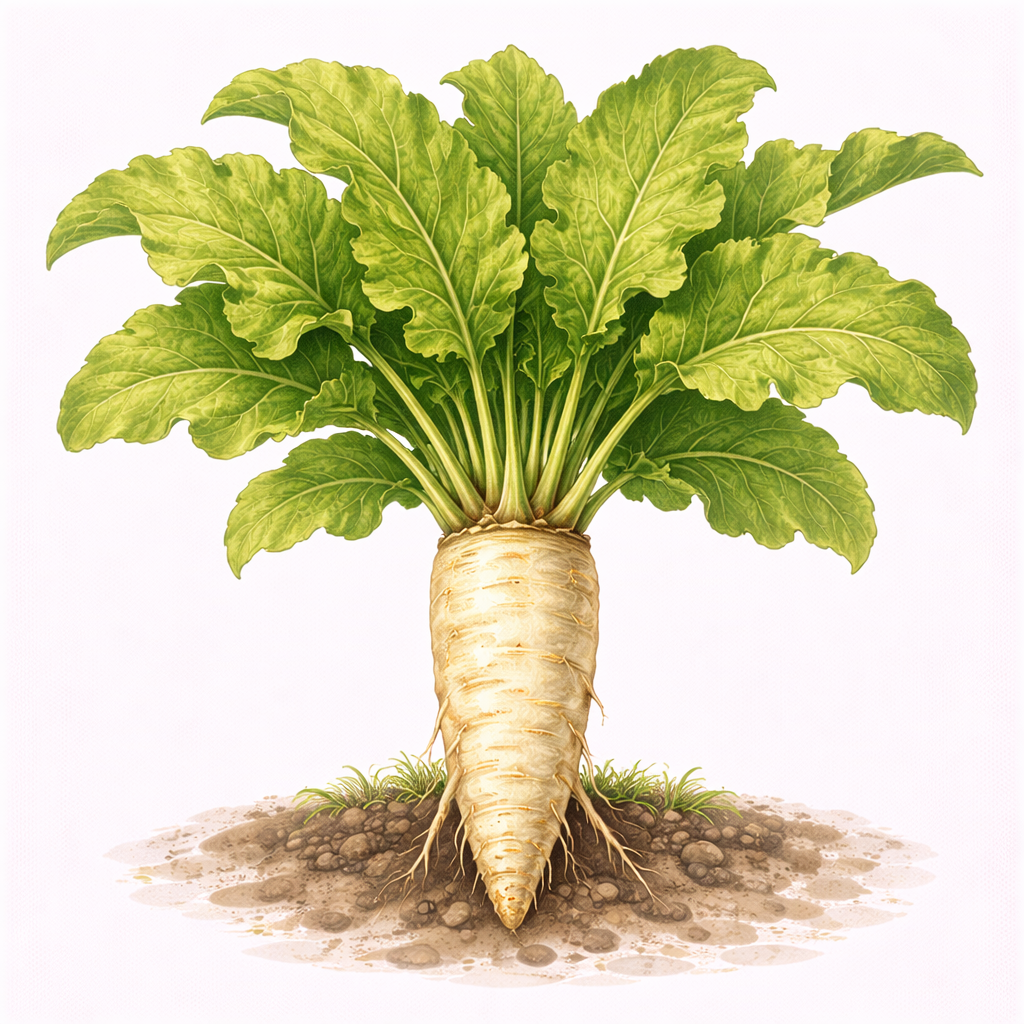
We are not building these beds to pamper delicate, tasteless salad leaves. The true prize of early soil warming is the rapid, tender development of thick horseradish roots (Armoracia rusticana). Grown in such rich, active earth, the roots develop an intense, volatile heat that cannot be matched by shop-bought jars.
A generous grating of this home-grown gold is the only acceptable accompaniment to a thick slab of rare, dry-aged British roast beef. The sharp, nostril-clearing kick of the fresh root cuts through the rich, marbled fat of the meat with absolute perfection. It is a culinary marriage that justifies every ounce of physical effort spent shovelling manure in the chilly British rain.
Constructing Your Thermal Engine
To build your own, construct a simple timber frame measuring at least one metre square to retain the heat. Pack it with fresh, straw-heavy horse manure, treading it down firmly to ensure a slow, sustained burn. Top this steaming mass with fifteen centimetres of sifted garden loam and cover with a glass cold-frame.
This is productive gardening at its most satisfyingly primal. You will be harvesting fat, succulent roots and forcing early shoots while your neighbours are still waiting for their electricity bills to arrive. Let the amateurs keep their plastic gadgets; the serious grower relies on horse power.
Sources
- The Royal Horticultural Society: Traditional Hotbeds
- The National Archives: Victorian Kitchen Garden Records
Imagery Suggestion
A beautiful, hand-painted Studio Ghibli style botanical illustration of a robust horseradish plant. The illustration should feature lush, vibrant green leaves with soft watercolor textures and a detailed, rugged cream-coloured root shown slightly unearthed. The background should be a soft, warm wash of cream paper texture, characteristic of classic anime concept art, evoking a sense of nostalgic, high-end horticultural craftsmanship.
Featured in this story
End of Article