Bring Back the Hotbed: Ditch the Plastic, Embrace the Muck
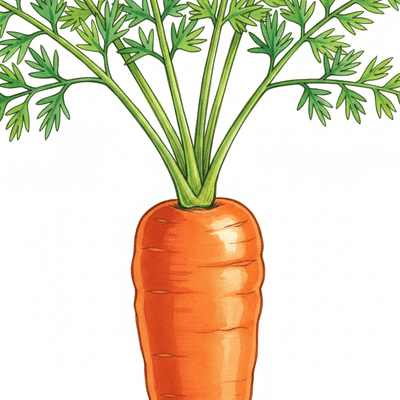
Gardeners have grown incredibly soft. The modern obsession with plugging cheap plastic trays into greenhouse mains sockets is a sterile, uninspired way to kickstart the growing season. If you want genuine productivity and early, sweet carrots to glaze alongside a perfectly roasted joint of dry-aged beef, you must master the traditional hotbed.
This is not a method for the squeamish or the idle. It requires sweat, a pitchfork, and an appreciation for the raw thermal power of decomposing organic matter.
The Steaming Chemistry of the Muck-Heap
A proper hotbed relies on the natural, ferocious heat generated by decomposing horse manure. When packed correctly, a well-built bed easily maintains a steady 25°C to 30°C in the depths of a chilly British late winter. It is a gloriously active, living system that puts sterile, electric heating cables to shame.
By harnessing this subterranean furnace, you get unparalleled bottom heat that coaxes seeds to life weeks ahead of the traditional calendar. The gentle, ambient steam rising from the bed protects young foliage from frosty nights without drying out the air. It is the ultimate horticultural engine, running entirely on traditional chemistry.
How to Build Your Thermal Engine
To begin, you must source fresh horse manure, ideally from a local stable where the beasts are bedded on straw rather than wood shavings. Mix the material thoroughly, pile it high—at least a metre deep—and tread it down with absolute intent to compress it. This compression is vital; it regulates the oxygen flow and ensures a slow, sustained burn of heat rather than a fleeting spike.
Once the initial, violent heat peak subsides after a few days, top the steaming cake with 15 centimetres of rich, sieved garden loam. This is your canvas. Sow your heritage French forcing carrots, early radishes, and tender turnips directly into this warm bed, destined to be roasted in succulent lard alongside a prime rack of English lamb.
Unrivalled Yield Over Modern Gadgetry
The beauty of the hotbed lies in its sheer, unadulterated productivity. The moist, nutrient-rich atmosphere rising through the soil creates a self-regulating microclimate that no thermostatically controlled plastic box can ever hope to replicate. Your seedlings will emerge robust, stocky, and dark green, completely free of the leggy weakness common in electric propagators.
It is gardening at its most physical, rewarding, and undeniably delicious. If we are to elevate the standard of British kitchen gardening, we must look backward to the giants of the Victorian estates, not forward to the silicon chip.
Sources
- The Royal Horticultural Society: Traditional Hotbed Methods
- The Victorian Kitchen Garden Archives: Forcing Crops
Imagery Suggestion
A Studio Ghibli style botanical illustration showcasing a cross-section of a traditional wooden cold frame resting atop a steaming, straw-flecked hotbed of dark manure. Inside the frame, tiny, vibrant green carrot seedlings sprout eagerly from rich, dark-brown loam. Soft, warm mist gently curls upward from the edges of the wooden frame into the cool, crisp morning air, capturing a sense of magical warmth and productivity. The entire scene should have lush, hand-painted textures and a nostalgic, glowing light. Path: /plants/CARROT.png.
Featured in this story
End of Article