The Nutty Pivot: Why Hazelnuts are the Future of UK Arable Farming
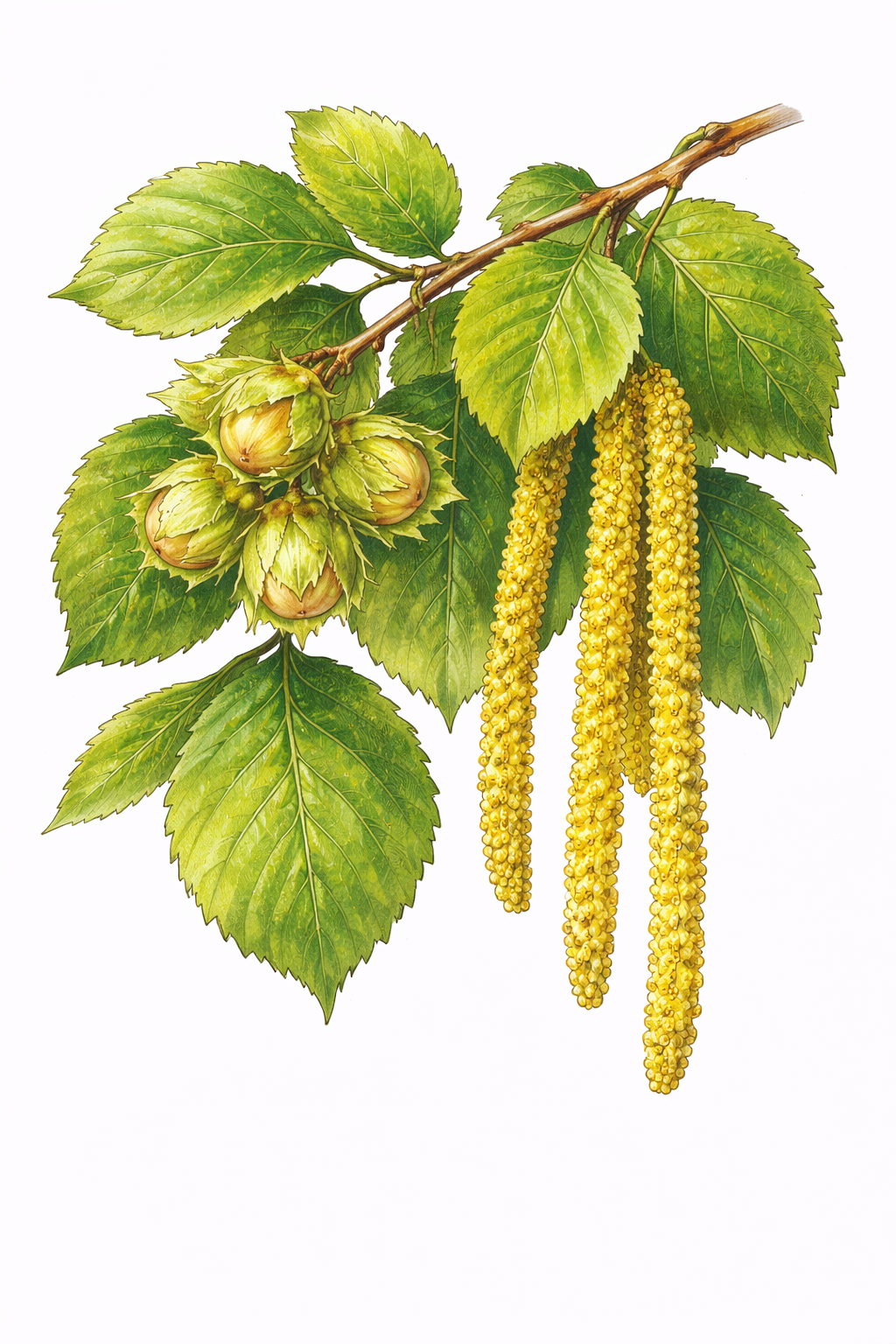
The Arable Crossroads
British arable farming is at a crossroads. With cereal prices failing to sustain traditional businesses and environmental expectations mounting, the choice is clear: wait for government handouts, or take control of your own destiny.
Suffolk farmer and Nuffield scholar Tom McVeigh is choosing the latter. His solution? Hazelnuts.
Grown in a sophisticated agroforestry orchard system, hazelnut production offers a market-based escape from the "subsidy trap," with the potential to generate a staggering £10,000 per hectare in gross margin once mature.
The Specification Game: Why Varieties Matter
The biggest mistake a UK grower can make is planting traditional British cobnuts. While they look great, they don't fit the global market.
"At least 70% of the global market is for an 11-13mm nut," notes McVeigh. Traditional cobnuts (18-19mm) are simply too big for the confectionery giants. To win, UK growers must pivot to American hazelnut varieties. These modern cultivars produce the exact size and shape required for the premium global supply chain.
The Mechanics of the Orchard
Hazelnuts are the "cereal crop of the tree world." They are highly mechanised and non-perishable, making them a perfect fit for arable farmers used to heavy machinery.
The Financials:
- Establishment Cost: ~£10,000/ha (including trees, fencing, and irrigation).
- Ongoing Costs: ~£3,500/ha/year.
- Yields: 3-5 tonnes per hectare (in-shell).
- Payback Time: 8 to 9 years.
While it’s a long game—taking five years for the first harvest—the results double every year thereafter.
The Climate Paradox
Hazelnuts are indigenous to the UK (they've been here since the Romans), but modern production face new challenges. The trees pollinate over the winter, making late frosts a critical risk. Furthermore, as temperatures rise, the required "chill hours" for the biological health of the tree are becoming harder to guarantee.
Integrated Pest Management (IPM) is no longer optional. In France, the Eurasian stink bug has already slashed yields by 20%. Future UK orchards must be designed with biodiversity and pest control baked into the layout.
The Ultimate Nutrient Loop: Chickens & Truffles
The most exciting part of McVeigh’s vision is the synergy of agroforestry.
"A ‘crop’ of chickens seems to be one of the best options," he says. Running free-range poultry under the hazelnut canopy creates a perfect nutrient loop, manages weeds, and provides a secondary income stream while the trees mature.
Looking deeper into the soil, McVeigh is even investigating the potential for truffle production and carbon payments to further future-proof the Kenton Hall Estate.
The Verdict
The age of the "simple" arable rotation is ending. As the Basic Payment Scheme (BPS) vanishes, the high-value, highly-mechanised world of hazelnuts offers a path to sovereignty. It requires scale—at least 400 hectares to justify a cleaning plant—but for those willing to collaborate and plant for the global market, the future looks incredibly nutty. 🎷🥦
Featured in this story
End of Article