The Statin of the Orchard: Bergamot’s Clinical Power in the UK Conservatory
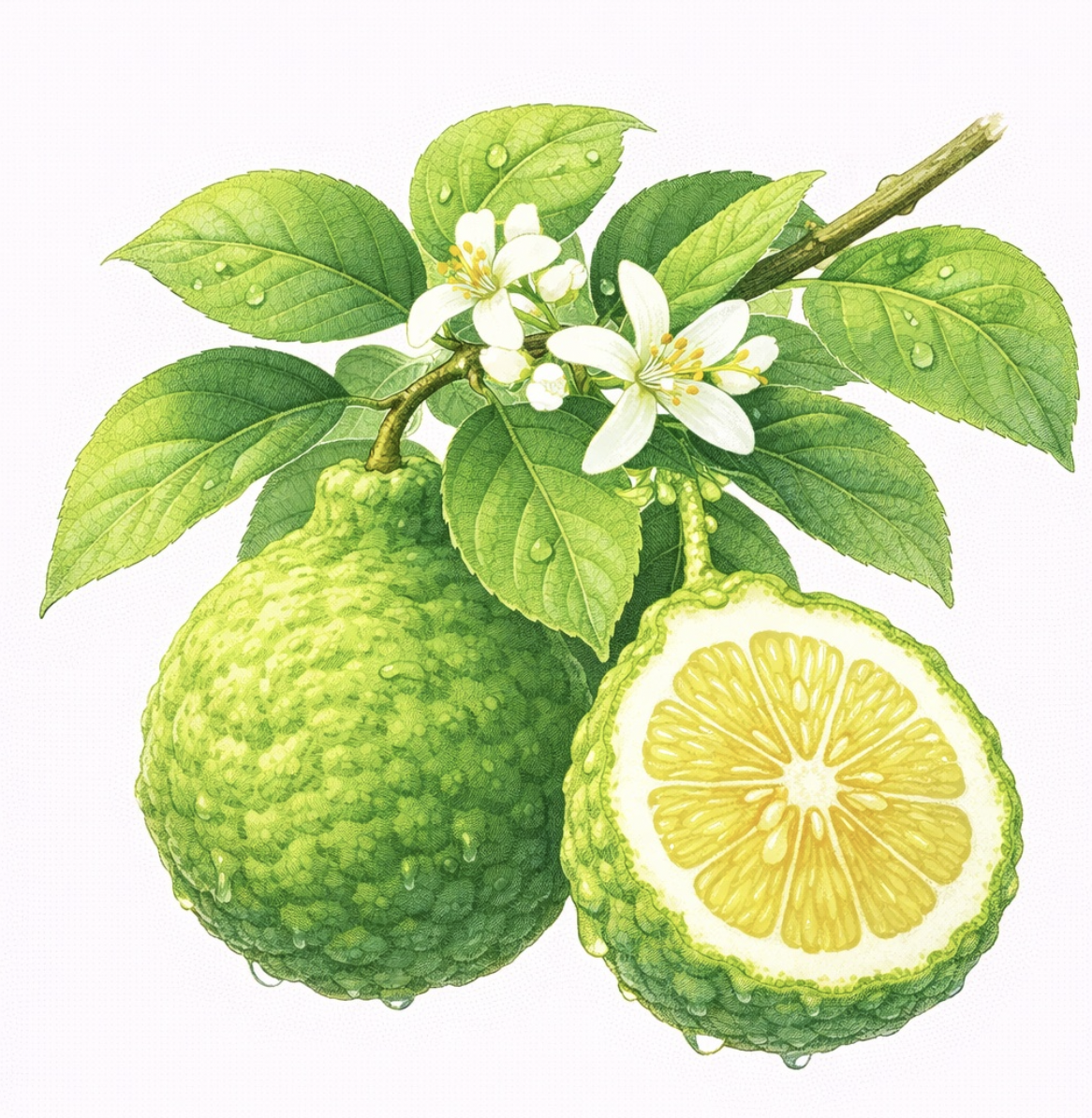
Stop wasting your time thinking Citrus bergamia is merely a flavoring for a tepid cup of Earl Grey. If you're serious about your glasshouse productivity, you'll recognise this fruit for what it actually is: a pharmaceutical powerhouse that demands precision and rewards the bold.
In the high-end potting shed, we don't grow things just because they look pretty. We grow for performance, and the Bergamot orange is the gold standard for functional flora.
Forget the Supermarket Shrapnel
Standard supermarket oranges are little more than bags of sugar-water. Bergamot is a different beast entirely, packed with flavonoids like brutieridin and melitidin that you simply won't find in a common Navel.
These aren't just fancy words for the labels; they’re natural statins. They hit the HMG-CoA reductase enzyme—the same target as high-street pharmaceuticals—to hammer down your LDL cholesterol and shift your triglycerides.
If you aren't growing this to manage your metabolic health, you’re missing the point of precision gardening. It’s about internal engineering, not just aesthetics.
Mimicking Calabria in the Home Counties
You can’t grow these in a drafty porch and expect results. To get that medicinal-grade oil density in the peel, you need to replicate the scorching heat of southern Italy right here in the UK.
Don't skimp on the heating. I’ve always found a wood-burning stove or even a small coal-fired boiler in the glasshouse provides the consistent, dry heat these trees crave during a bleak British January. Keep the temperature above 10°C at all costs, or don't bother starting.
The Substrate Secret
Use a heavy, loam-based compost—John Innes No. 2 is the only serious choice—and cut it with plenty of grit. Bergamot hates "wet feet," and a waterlogged pot in a UK winter is a death sentence.
In late February, start ramping up the feed. I've no time for weak organic washes; use a high-nitrogen citrus fertilizer to get that spring flush moving. We’re looking for vigorous growth, not a stunted ornamental.
Precision in the Kitchen: Bergamot-Glazed Gressingham Duck
The intense, bitter-floral hit of a home-grown Bergamot is too powerful for a salad. It requires a serious, fatty protein to stand up to it. A proper British duck breast, served with a side of potatoes roasted in the rendered bird fat, is the only way to do it justice.
Ingredients:
- 2 Gressingham Duck breasts (get the best you can find).
- Zest and juice of 1 fresh Bergamot orange.
- 2 tablespoons of Clover honey.
- 1 clove of garlic, crushed.
- Fresh thyme and a heavy hand of sea salt.
The Method
Score the fat on the duck in a tight diamond pattern, but don't go near the meat. Season it heavily. Start them skin-side down in a cold cast-iron pan—this is the traditional way to render the fat properly without toughening the bird.
While the fat is melting out, whisk your Bergamot juice and honey. Once the duck skin is crisp enough to crack, flip the breasts and toss in your garlic and thyme.
Pour the glaze over the meat and baste it like your life depends on it for three minutes. You want that syrup to cling to the duck. Remove the meat at 52°C and let it rest; the residual heat will bring it to a perfect, bloody medium-rare.
The medicinal compounds in the zest cut through the rich duck fat perfectly. It’s a hearty, masculine meal that proves why we bother with the glasshouse in the first place.
Featured in this story
End of Article