The Crimson Cure: Why Every British Gardener Should Grow Beetroot for Heart Health
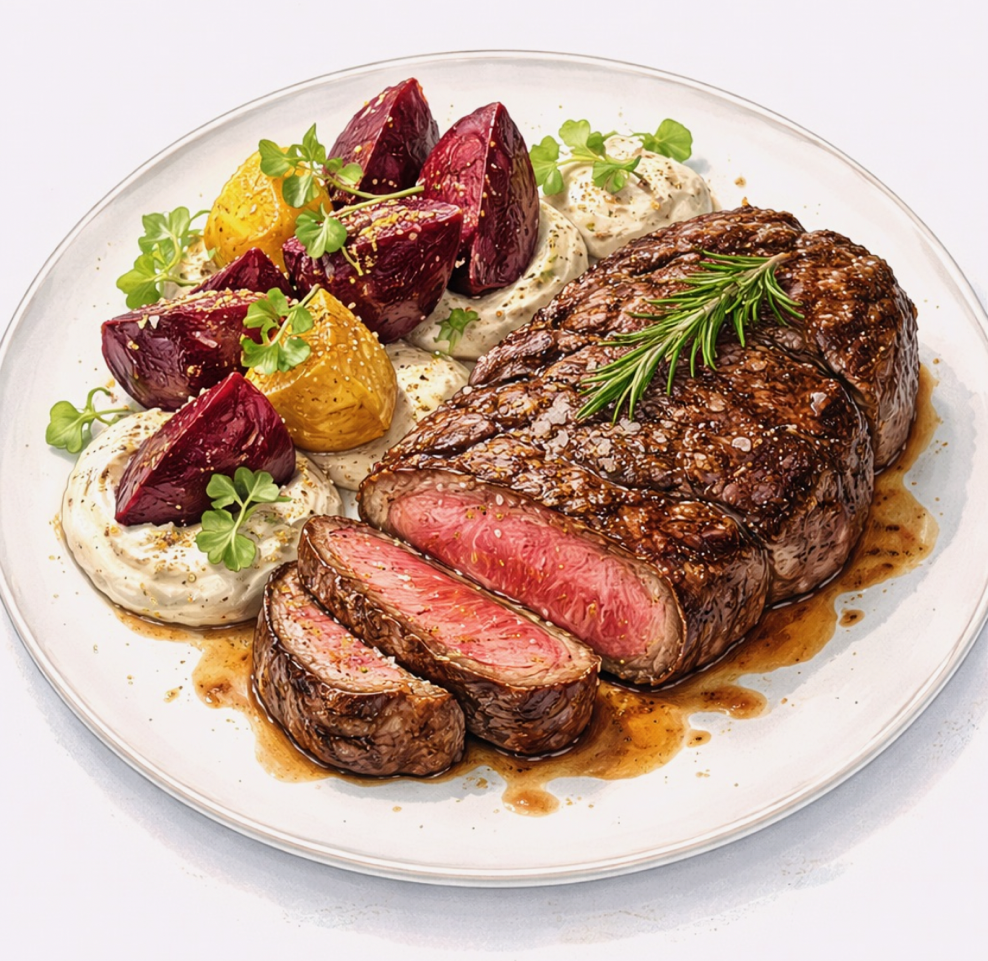
Forget the tentative stirrings of spring; February in the UK is usually a miserable slog of grey skies and frost-bitten fingers. But if you’re sitting by the wood-burner waiting for April, you’ve already lost the season. The serious gardener knows that now is the time to get the first real crop of the year into the ground: the beetroot.
Stop Chasing Trends
I’ve no time for the latest "superfood" fads that disappear as quickly as they arrive. Beetroot is a stalwart of the British allotment because it works, both in the soil and in the body. While others are obsessing over kale, I’m sowing 'Boltardy'. It’s the only cultivar worth its salt for early sowings, mainly because it doesn't bolt the moment the British weather decides to throw a late-season tantrum.
The Science of Blood Flow
The health benefits of Beta vulgaris aren't just old wives' tales; they’re grounded in hard chemistry. Beetroot is packed with inorganic nitrates. Once you eat them, your body converts them into nitric oxide, a gas that forces your blood vessels to relax and dilate.
If your blood pressure is creeping up, forget the supermarket juices and grow your own. Clinical evidence shows a single decent serving can drop your systolic pressure by up to 10 mmHg within hours. For the gardener who values peak physical performance, growing 'Detroit Dark Red' or the striking 'Chioggia' isn’t a hobby—it’s a tactical health strategy.
Proper Soil, Not Modern Fluff
To get the best out of your beets, ignore the flimsy bagged composts being pushed these days. You need traditional, well-worked soil. Dig in a heavy layer of well-rotted horse manure from the previous season to ensure a rich, nitrogen-heavy environment.
Successional Sowing is Non-Negotiable
Don't be the amateur who sows a whole packet at once and ends up with a mountain of woody, inedible roots in June. Start in late February under cloches and sow a fresh row every fortnight. This ensures a constant supply of young, tender roots that carry the highest concentration of nitrates.
The Harvest Kitchen: Ribeye Steak with Salt-Baked Beets
A root this earthy and powerful demands a partner that can fight back. This isn't a dish for the faint-hearted. We’re pairing the sweetness of the beet with a thick, well-aged slab of British beef.
Ingredients (Serves 2):
- 2 x 250g Ribeye Steaks (Aged for at least 28 days)
- 4 Medium Beetroots (unpeeled, leaves trimmed)
- 500g Sea salt
- Beef dripping (the only fat worth using for a sear)
- 50g Salted butter
- Fresh horseradish root
- Garlic and thyme
1. The Salt Crust Method
Preheat your oven to 180°C. Bury your scrubbed beetroots entirely in a bed of sea salt in a small tray. Bake for about 75 minutes. The salt crust acts like a pressure cooker, trapping the moisture and intensifying the sugars and nitrates. Once tender, crack the crust, peel back the skins, and quarter them.
2. The Proper Sear
Get your cast-iron skillet screaming hot. I’ve no patience for non-stick pans here; you need metal and high heat. Rub the steaks with beef dripping and season heavily with black pepper. Sear for 3 minutes a side for medium-rare. In the last minute, toss in the butter, crushed garlic, and thyme, and baste the meat until it’s glossy and rich.
3. Rest and Serve
Let those steaks rest for 8 minutes—no excuses. Serve the sliced ribeye alongside the warm, salt-baked beets. Finish the plate with a massive grating of fresh horseradish. It’s a sharp, sinus-clearing accompaniment that cuts through the fat of the beef and the earthiness of the root. This is proper, restorative food.
Featured in this story
End of Article